
Stage III · Fund
From San Pedro Sula to Rice University with Fulbright: Gisselle Wolozny's experience
Gisselle Wolozny · 21 September 2026
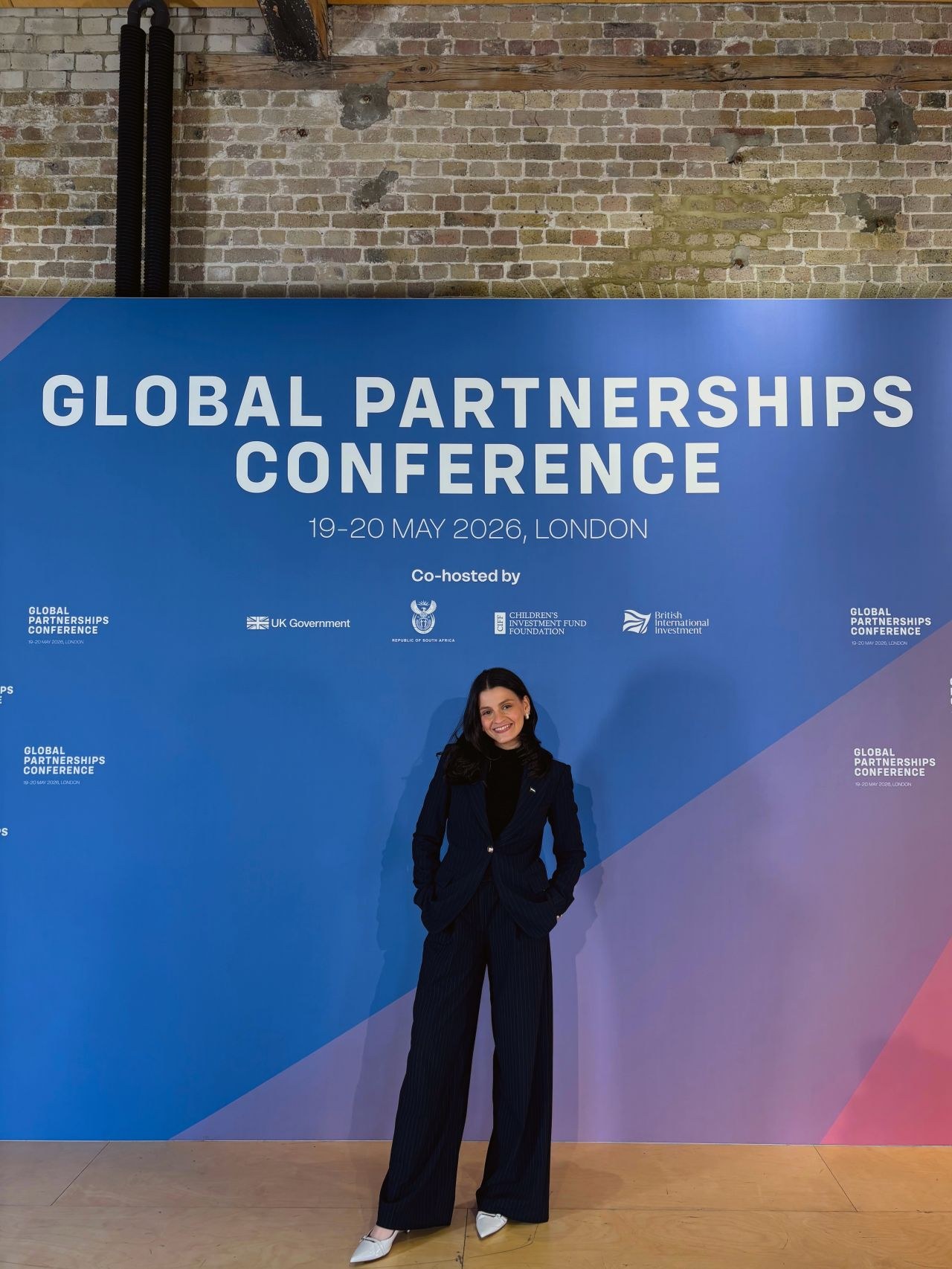
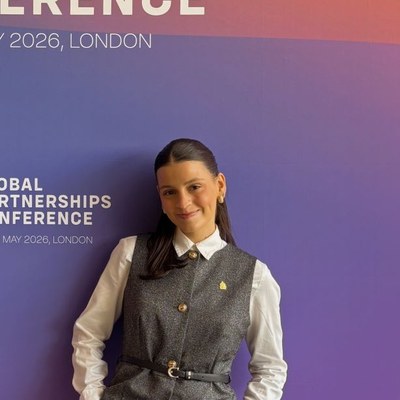
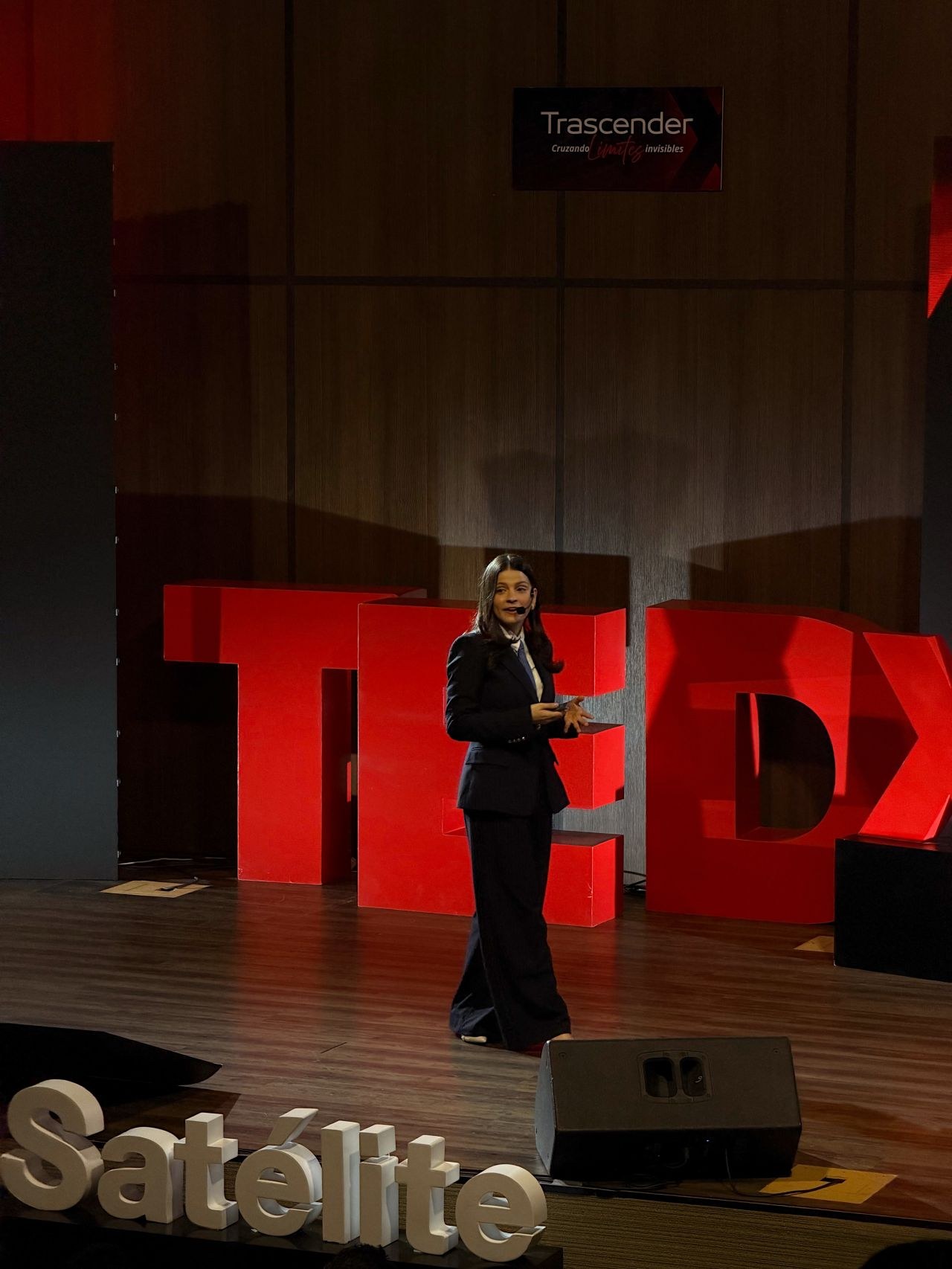
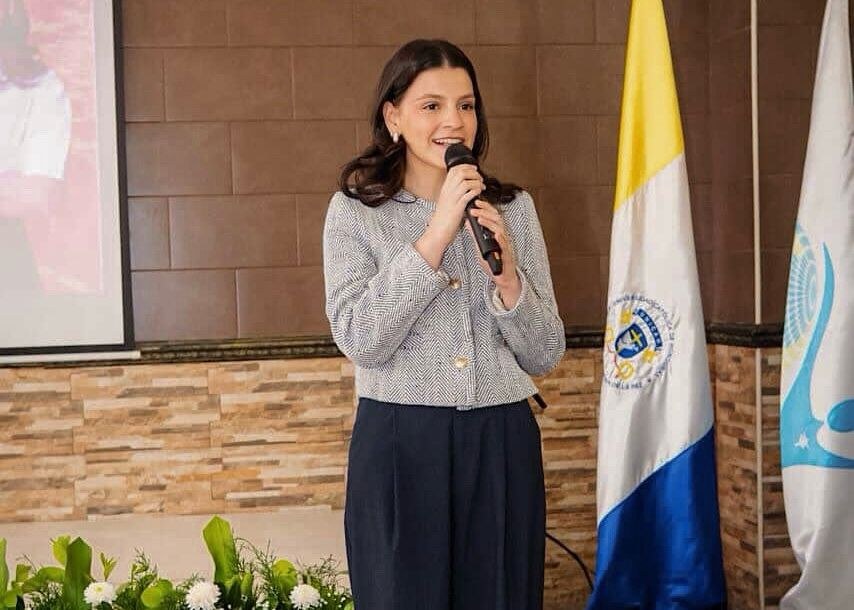
Gisselle Wolozny is a lawyer from San Pedro Sula, Honduras, and she built her career across public service, international organizations and political communication. She worked at the Honduran embassy in Spain and at the United Nations, and later cofounded CENTURIA, a political strategy and communication consultancy. Doing a master's in the United States was a goal she'd had for years and she knew she needed funding to make it possible. After a process of almost two years, in August 2026 she started Rice University's Master of Global Affairs with a combination of Fulbright support and funding from the university.
Gisselle had been in class in Houston for less than a month when she told her story. By then, the process that had brought her to Rice had lasted far longer than the move: exams, essays, recommendations, four universities and several decisions she had to make with academic and financial information on the table. The result was a fully funded master's aligned with the kind of work she wants to keep doing.
A goal she'd had for a while
“Studying for a master's in the United States was always a professional goal for me. I was aware that the only viable way to achieve it was through the Fulbright scholarship.”
Gisselle graduated in law from Universidad Tecnológica Centroamericana (UNITEC) and built a career tied to politics, public affairs and international cooperation. She worked as a political specialist at the Honduran embassy in Madrid, spent time at UNHCR on resettlement related work and, in 2025, cofounded CENTURIA, a consultancy dedicated to political strategy and communication.
By the time she decided to apply to Fulbright, the master's in the United States wasn't a change of direction but a fairly natural continuation of that path. She wanted to go deeper into governance, democracy and political development, but doing so meant finding a way to cover an investment that otherwise wasn't viable.
The full process, from when she started preparing the application to when she arrived in Houston, took about two years. Fulbright isn't settled with an initial application alone: after that come the exams, the selection, the list of universities, the applications and each institution's admission and funding decisions.
Preparing for more than one university
A big part of that process was sitting the exams that both Fulbright and the universities might ask for. Gisselle took the TOEFL, the Duolingo English Test and the GRE, a combination that let her keep different options open while she still didn't know where she'd end up studying.
She also had to choose carefully the people who would write her recommendations. She looked for profiles who could speak about her from different moments in her education and her career.
“A university professor, a former boss and the director of a scholarship I won.”
With the exams, the letters and the essays ready, it was time to put together the list of universities. Gisselle ended up applying to four, and from the start the process meant looking at more than the academic content of each program.
When funding also decides the decision
Gisselle reached the final stretch with more than one possibility on the table. As often happens in processes with external scholarships, the decision didn't depend only on where she'd been admitted, but also on how Fulbright's support combined with the funding each university offered.
“Even though there was a negotiation process, I couldn't go to my first choice because of a gap that Fulbright's funding didn't cover.”
Instead of forcing an option that left a gap that was hard to sustain, she ended up looking at the whole package: academic program, funding and viability. Rice was the university that offered the strongest financial support among her options.
“I applied to four universities and Rice was the one that granted me the most funding.”
That combination ended up making possible a master's that, on top of it, fit very well with her background in politics, governance and international affairs. Rather than giving up a first choice, Gisselle widened the criteria she was using to make the decision and ended up choosing an option that was solid both academically and financially.
Making the numbers work
At Rice, the university's funding and Fulbright's support complemented each other. According to Gisselle, Rice covered the program's tuition, while Fulbright contributes other components needed to study and live in the United States during the master's.
Rather than a single scholarship that solved everything, the result was a combination of sources that got the program covered.
For Gisselle, that was one of the most important lessons of the process: it isn't enough to look at whether a university admits you or even whether it offers a scholarship. You have to understand how the full package comes together and what part, if any, would still be on the student.
It's something she would research in far more detail from the start today.
origin
San Pedro Sula
destination
Houston, Texas
institution
Rice University
A program connected to what she was already doing
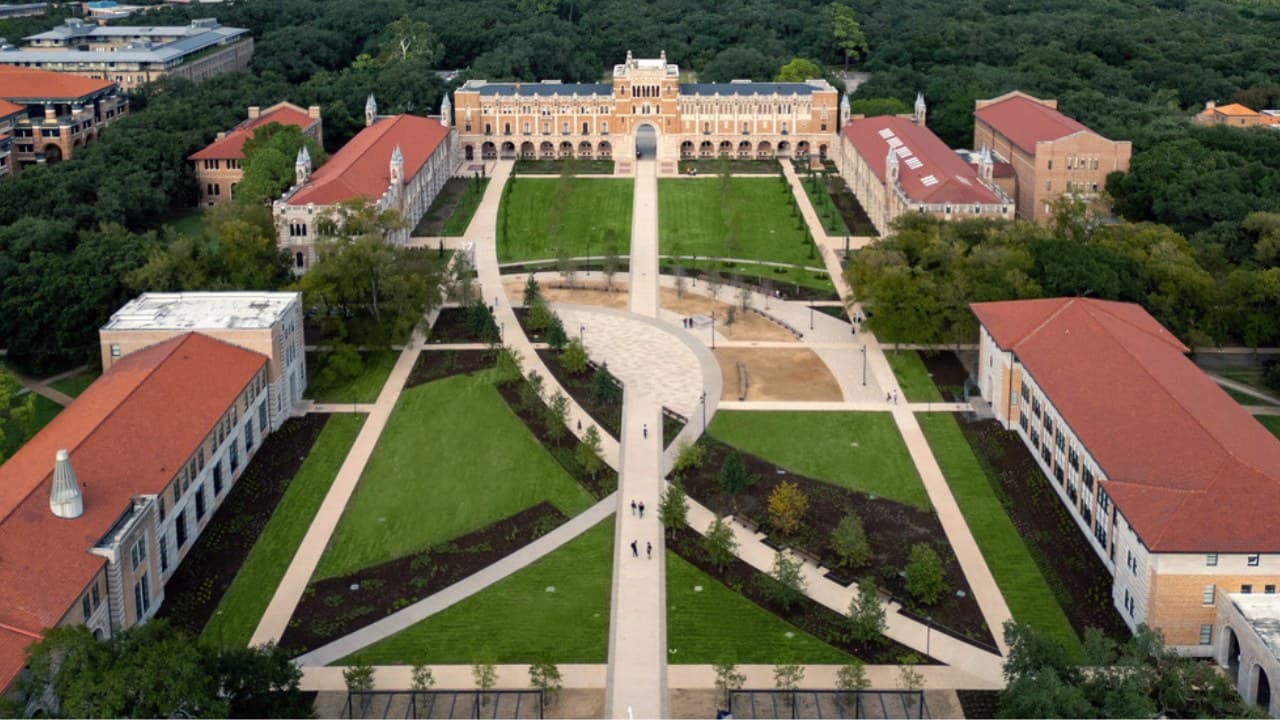
Rice's Master of Global Affairs is a two year professional program tied to the Baker Institute for Public Policy and the School of Social Sciences. Gisselle chose the International Political Development track, a decision fairly consistent with the kind of work she'd done in Honduras and with the subjects she wants to keep developing.
The specialization lets her go deeper into areas tied to governance, political development and international affairs, while the program adds a practical dimension through an internship and an applied final project.
For Gisselle, the choice wasn't only academic. After several years moving between government, international organizations and political consulting, the master's offered her a way to order those experiences within a broader training in global affairs.
Widening the plan without losing the goal
When she thinks about the hardest part of the process, Gisselle doesn't mention any of the three exams or the months of applications. What she remembers is the moment when she had to accept that the path she'd originally imagined could change without that meaning giving up the goal.
“Letting go of the path I had imagined and trusting life's plans. Knowing that what's meant for you will arrive in its own way. Being flexible, because there are several roads to the same goal.”
In her case, that flexibility meant no longer thinking of the university as a decision based only on which one was her favorite and starting to look at the whole: program, funding, professional possibilities and real viability.
The experience also changed what she'd do if she had to start over.
“Being clearer on Fulbright's numbers and policies. Researching universities that do line up with that, so you have more realistic expectations about the process.”
It isn't about choosing a university on price alone, but about bringing funding into the search from the beginning, instead of discovering at the end that an option that looked ideal leaves a gap that's impossible to cover.
Trusting the process without stopping the questions
When she talks with someone from Honduras who's thinking about following a similar path, Gisselle comes back to the same idea that ended up shaping her own experience: keep the goal clear without clinging too tightly to one single way of getting there.
“Be open to new possibilities. Trust the process a lot and know that you'll end up where you're supposed to be. The application process is a chance to reflect on the road you've traveled, the experiences that have shaped you and the impact you hope to have in the coming years.”
Gisselle has just started her two years in Houston. She still has most of the master's ahead of her, an internship and the chance to keep going deeper into the subjects she was already working on before she arrived.
Rice ended up bringing together the three things she needed to take the next step: a program aligned with her background, a strong academic environment in global affairs and a funding package that made the experience viable. After almost two years of preparation, in August 2026 she arrived in Houston to begin a stage she had imagined long before she knew exactly where it would happen.
Did this story help?
Join the community