
Stage III · Fund
From Bogotá to Michigan with a scholarship and a campus job: Maria Perdomo's experience at Eastern Michigan University
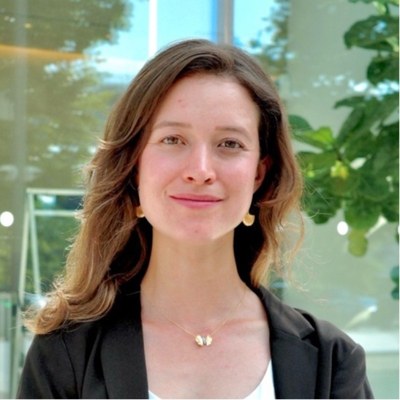
Maria Perdomo · 25 August 2026
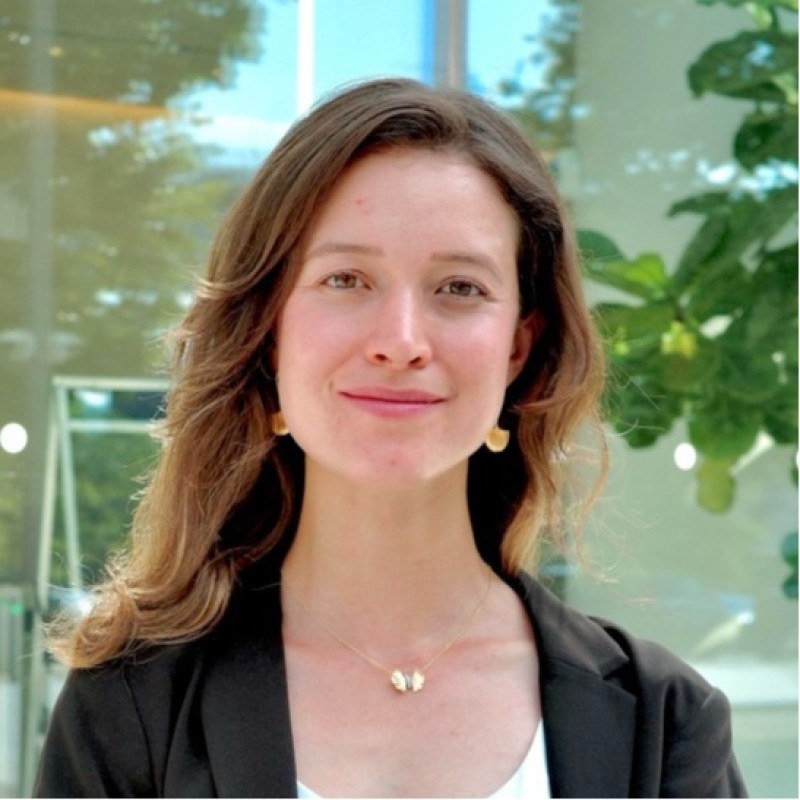
Maria Perdomo finished secondary school in Bogotá with the International Baccalaureate diploma and in 2015 she moved to Michigan to study International Affairs at Eastern Michigan University. A merit scholarship covered part of the tuition and, during her degree, she found jobs that helped her cover a significant part of her expenses, including a full year of housing in the university residence halls. She graduated in 2019 with honors and, with several years of distance, she remembers which decisions served her well and what she would have done differently.
Maria was 18 when she started thinking seriously about doing a full degree in the United States. She knew what she wanted to study, but she knew little about how admissions or scholarships worked, or how to compare the real cost of different universities from Colombia. Less than six months later she was starting International Affairs at Eastern Michigan University. The four years that followed combined a merit scholarship, work during her degree, and several solutions she found along the way as she came to understand the system better.
Putting together a first list from Colombia
Maria knew she wanted to study International Relations, but she needed help turning that idea into a concrete list of universities. A company in Colombia supported her through that first stage, from selecting programs to organizing the applications.
“I had a company in Colombia that helped me select and apply to a few programs. I knew I wanted international relations and I got serious about studying for the SAT and the rest. The thing is I didn't know how to go through the application process or deal with the university directly.”
The initial list had four universities. The support helped her organize the process, but when it came time to look for funding Maria also started researching on her own. “They helped me look for universities with scholarships. Then on my own I started searching the university websites and applied to every scholarship I found.”
One of those options was Eastern Michigan University, a public university in Ypsilanti, near Ann Arbor and Detroit. There she found an International Affairs program aligned with what she wanted to study and, at the same time, a funding possibility that made the idea of moving more realistic.
Preparing for the SAT in a month
Part of the application meant taking the exams the universities asked for. Maria arrived better prepared for the TOEFL because she'd studied English in secondary school; with the SAT, on the other hand, the time was much shorter.
“TOEFL and SAT. I did the TOEFL with my school in Colombia and they prepared us a lot. I took the SAT once and studied on my own. I didn't get the best result, since I had about a month to prepare.”
Years later, when she thinks about what she'd change about her own application, that's one of the first things she mentions. “I'd prepare with a lot more time to get a better SAT.”
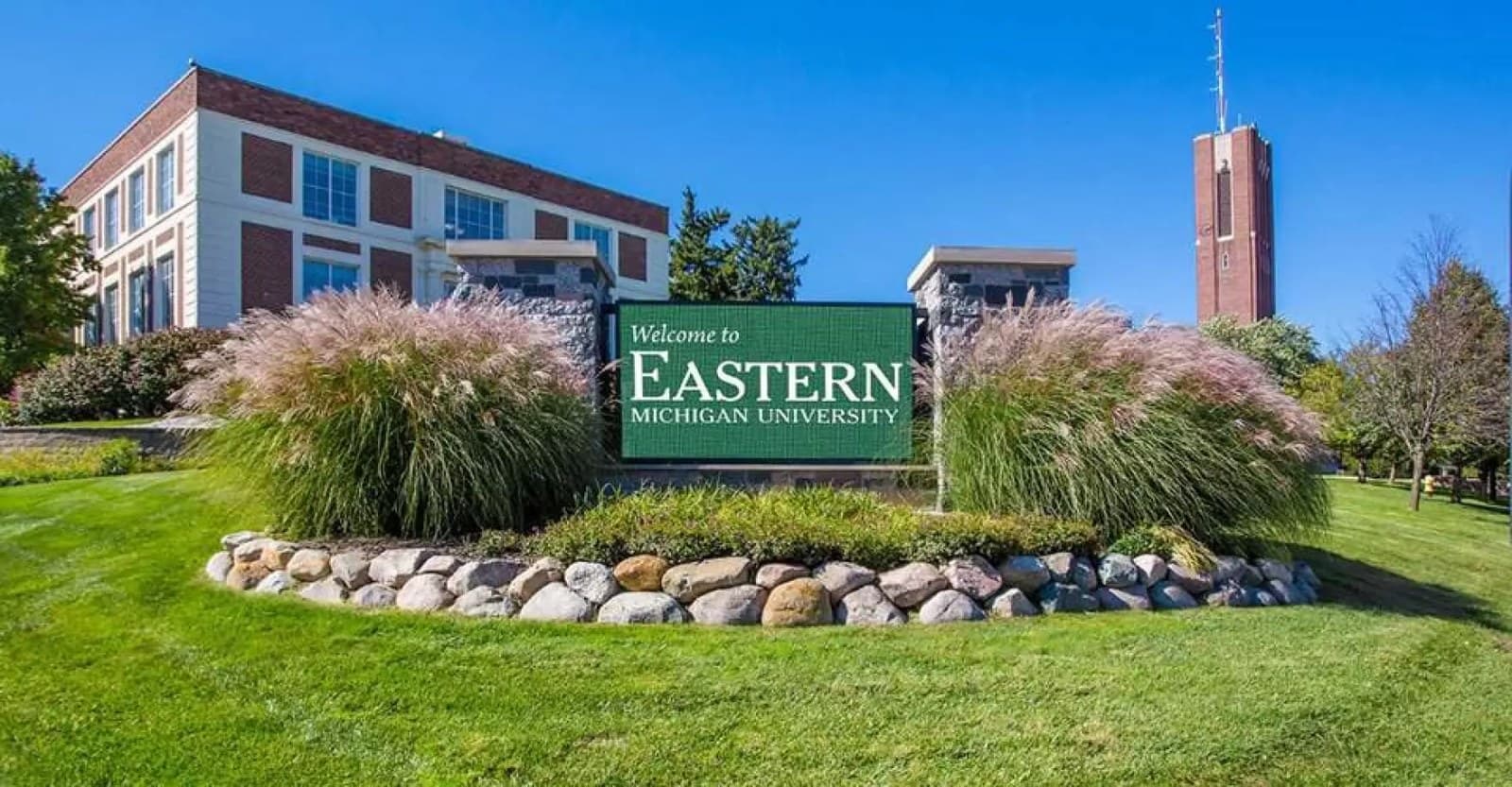
University admissions have changed quite a bit since 2015, and Eastern Michigan today lets many undergraduate applicants apply without submitting the SAT or ACT. Even so, results on these exams can still influence some merit scholarships for international students. For Maria, that relationship between preparation and funding is exactly what makes her recommend starting earlier today: a better result can widen the financial options available on top of strengthening the application.
What she didn't know she could ask
The application also meant gathering academic, financial, and personal documents from Colombia. “Vaccination record, IB diploma, school diploma, documents showing financial status,” she recalls.
There's something else that, at 18, she simply didn't know: that after receiving an offer she could ask whether there was room to review the financial package.
“I didn't negotiate anything after admission because I didn't know that was possible. I asked my school teachers for letters and put together about four universities that the company supporting me through the process recommended.”
With the distance of years, that's another of the questions she would have asked. Not all scholarships have room to change and each university has its own policies, but knowing you can ask would have changed the way she compared offers before making a decision.
When the first bill was higher than expected
The biggest financial surprise came after choosing a university. Maria had researched the tuition, but she discovered that number didn't represent everything she would end up paying.
“The prices universities post online don't include taxes and the university's internal fees plus the additional services. On top of that, health insurance is mandatory and it's another very high additional cost. I found out about all of this when I had to make the first payment and it was way above what I'd budgeted.”
That experience changed how she recommends looking at the cost of a university today. Tuition is only one part: housing, food, health insurance, books, transportation, and various charges can significantly change the final budget.
Eastern Michigan today publishes an estimated annual cost for international students that brings together precisely those components. The figures are different from the ones Maria found in 2015, but the logic she learned from that first bill is still the same: before comparing universities, you have to look at what it really costs to study and live for a full year, not just the price of the classes.
Scholarships and work to make the degree feasible
origin
Bogotá
destination
Ypsilanti, Michigan
institution
Eastern Michigan University
Part of the cost of the degree was covered by a merit scholarship awarded by Eastern Michigan. Then another important tool appeared: the possibility of working while studying.
“I was office manager of the dorms. All my housing for a year.”
The job in the residence halls ended up covering a full year of housing. Beyond the financial impact, working on campus let her start building experience and taking on responsibilities within the same community where she was studying.
During her degree she also had other jobs that helped her cover day-to-day expenses. The mix of scholarship and employment kept changing over the four years and ended up being a central part of how she made the experience feasible.
There wasn't a single solution that appeared before she traveled. Some opportunities, like the job in the residence halls, came up once she was already inside the university and understood better what resources she had available.
Learning to live and study in another country
The whole application process had happened in less than six months, and the transition was just as fast. Maria arrived from Bogotá straight into her first year of university, in another language and inside a new education system.
“I handled all my paperwork from Colombia. The first few months were hectic, getting used to the new life and to the first year in another country and another language. I don't have many memories of the bureaucracy. I had a very good international students office that made all that paperwork less difficult to manage.”
When she remembers that stage, the hardest part wasn't necessarily the forms. It was adapting.
“The cultural adjustment and the adjustment to the American education system, and missing home a lot.”
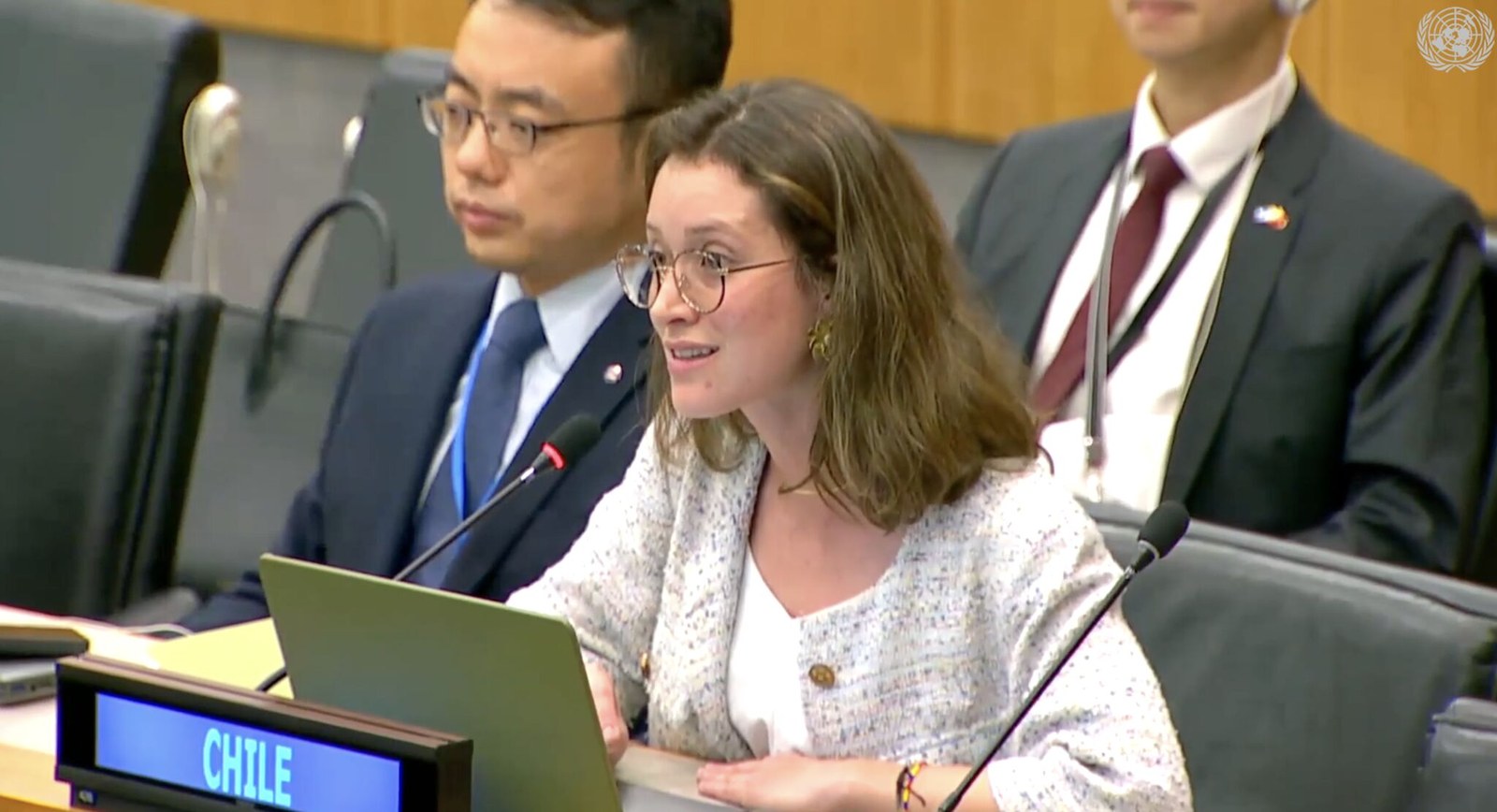
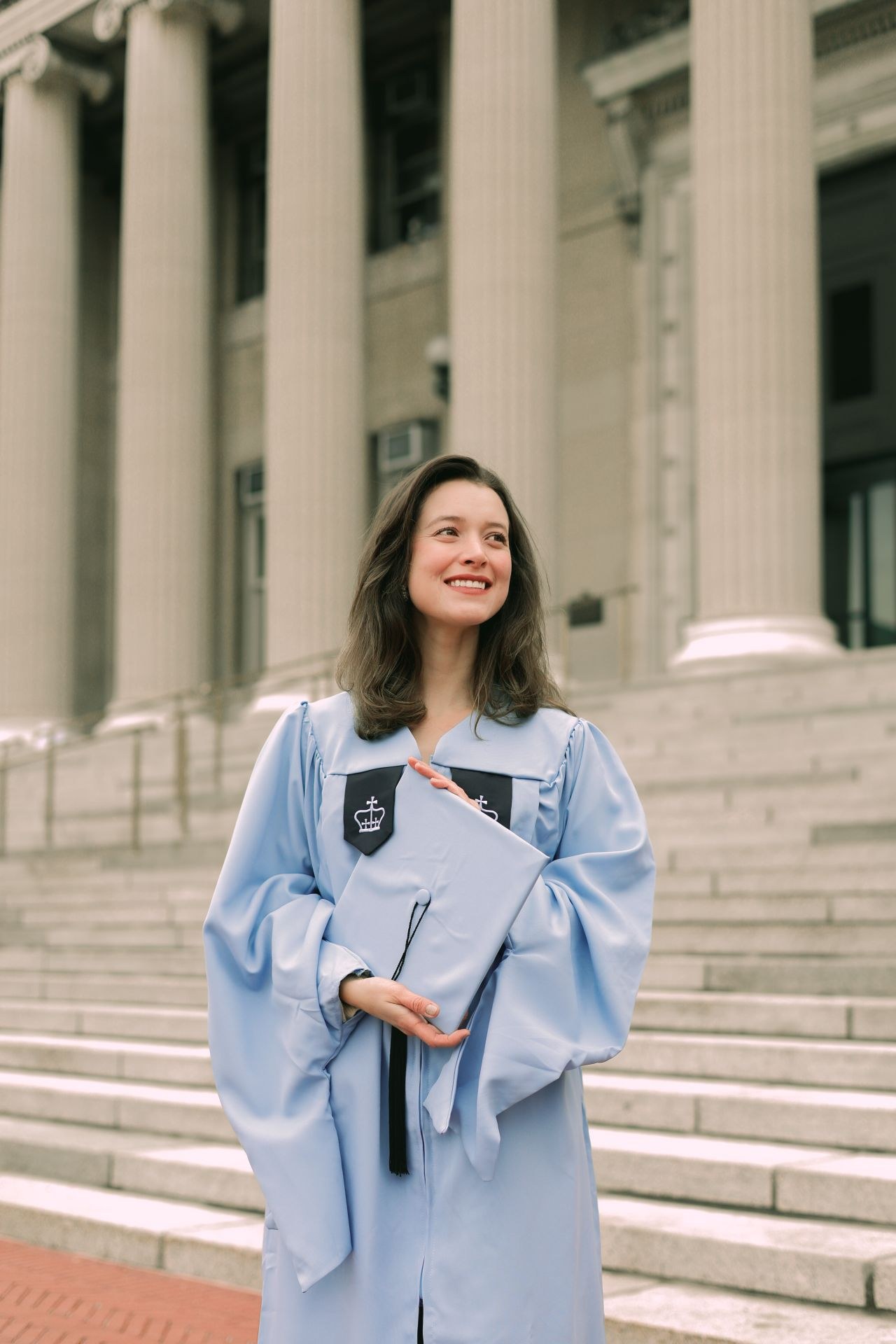
Four years later, she finished her degree summa cum laude and wrote an honors thesis on the implementation of the peace accords in Colombia. She was also recognized twice as International Affairs student of the year. Later she worked for almost five years connected to Chile's mission to the United Nations and, in 2025, she completed a master's in public administration at Columbia University.
What had started at 18 with a list of four universities ended up becoming an academic and professional track record much longer than she could have anticipated when she was preparing for the SAT from Bogotá.
What she'd do differently today
When Maria thinks about someone starting the same process now, her advice isn't about finding a perfect university or waiting for a full scholarship to appear. It's about giving yourself time to research, talking to people who have already taken the route, and preparing better before sending the applications.
“Talk to a lot of people who have already left the country to study, look for good programs and prepare well in advance to take the exams, to secure good scholarships.”
That's also the main difference between how she lived it at 18 and how she sees it now. In less than six months she managed to organize an application, get into a university, and move countries. She pulled it off, but today she'd start earlier, ask more questions, and look at the full budget from day one.
Did this story help?
Join the community