Stage III · Fund
From bioengineering at ITBA to a doctorate in biomedical engineering in New York: Melanie Adler's experience
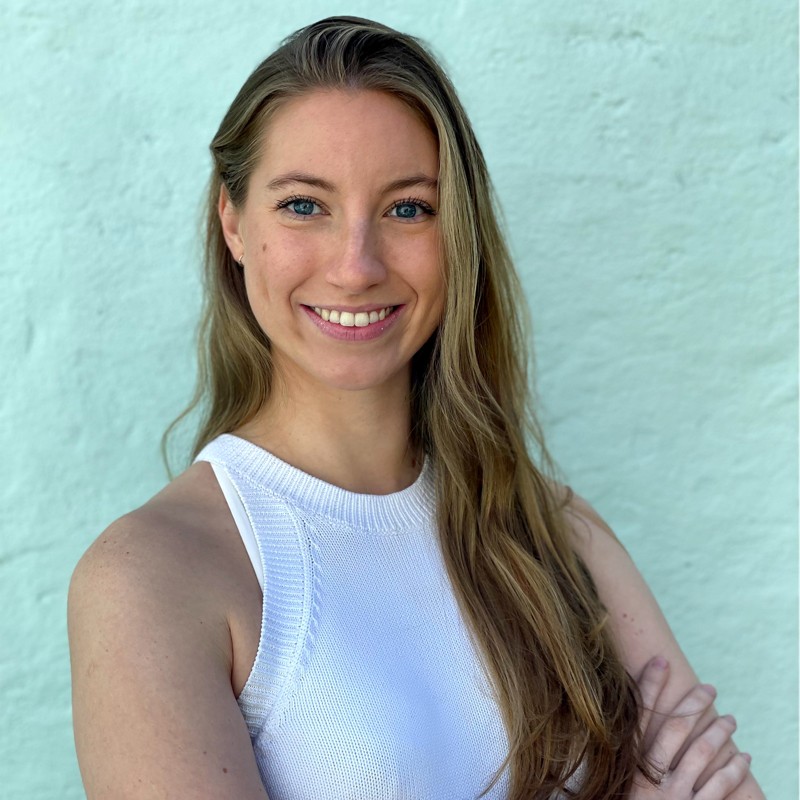
Melanie Adler · 15 September 2026
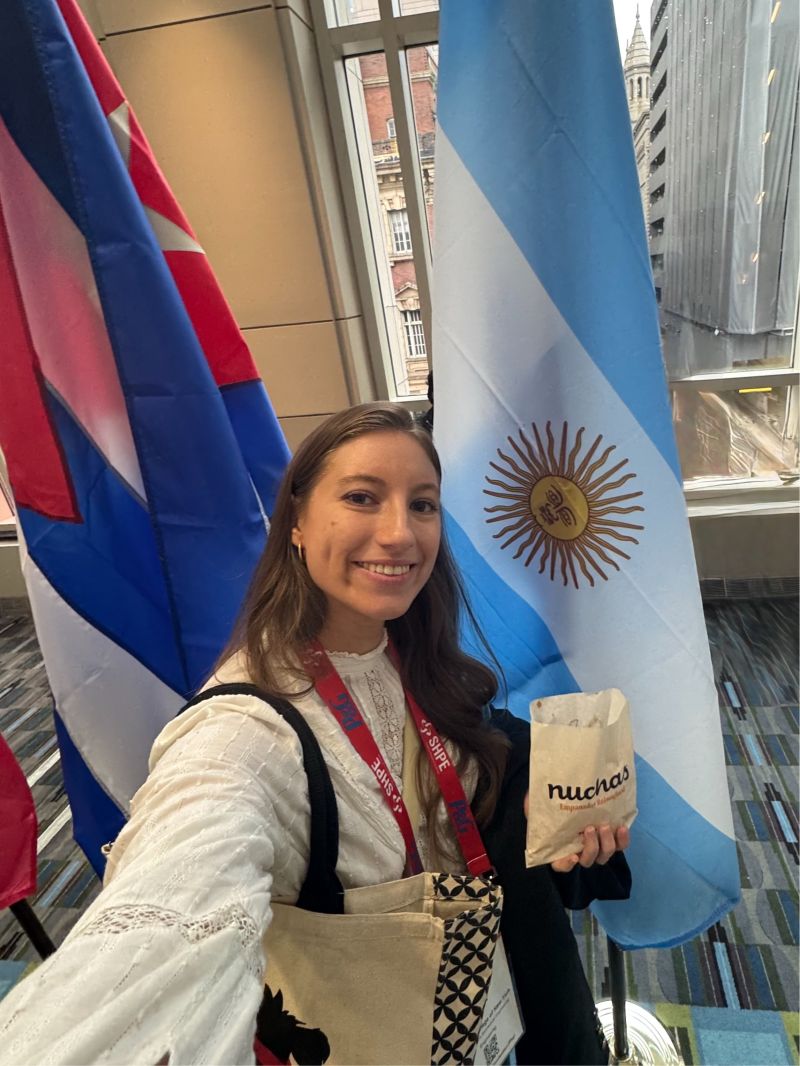
Melanie Adler studied Bioengineering at ITBA and, before graduating, built up experience in data science, clinical engineering, and the pharmaceutical industry. In 2022 she started a doctorate in Biomedical Engineering at The City College of New York, where she researches learning, attention, and educational videos. Her program includes funding for tuition, health insurance, and an annual stipend.
From bioengineering to research
Melanie studied Bioengineering at the Instituto Tecnológico de Buenos Aires between 2015 and 2021. The degree combines molecular and cell biology, anatomy, and physiology with training in mechanics, computing, and electronics, and it offers tracks tied to areas such as neuroscience and biomedical informatics. During those years she was also a teaching assistant for Mathematics III.
Her engineering training gave her a base that later turned out to be relevant for her graduate study, especially in areas such as calculus, physics, chemistry, programming, and systems, which are part of the academic background that Biomedical Engineering programs in the United States tend to require.
Professional experience during her degree
Before graduating, Melanie had already worked in different sectors. In 2019 she did a data science internship at Aper, where she took part in validating predictive models and developing machine learning algorithms in Python to analyze customer behavior.
That same year she started an internship in External Manufacturing at Merck Argentina. For roughly eighteen months she worked on processes related to suppliers, quality, technical aspects, and the lab.
During the pandemic she also worked for a few months as a clinical engineering technician at Hospital Fernández. Her job consisted mainly of helping with the preparation and operation of the equipment used in intensive care units, especially ventilators.
In April 2021 she moved into a full time position as Alliance Management Specialist at Merck, where she acted as the link between the company and various international clients. Among other responsibilities, she worked with contracts, coordination with partners, and exceptional exports of medications for specific situations.
The thesis and an interest in research and development
While working at Merck, Melanie was also finishing her undergraduate thesis. The project involved developing a testing machine for biomaterials and tissues. Because of the pandemic, much of the work was done remotely. The team was made up of three mechanical engineers and Melanie, who focused mainly on the programming and the electronics of the device.
That experience ended up shaping her next professional decision. When she finished her degree she identified a particular interest in research and development and decided to leave the corporate sector to explore that path.
In 2022 she moved to New York and worked as a Technical Product Manager at a startup building wearables. There she led a team of developers and coordinated testing and implementation processes. In August of that same year she started the doctorate.
How funding works for a doctorate in the United States
One of the differences between many master's programs and doctorates in science and engineering in the United States is the funding structure. In many doctoral programs, students receive a stipend and have tuition and health insurance covered in exchange for doing research, teaching, or a combination of both.
In many cases, part of that funding comes from grants obtained by lab directors. Those funds are tied to specific research projects and can cover the salaries of doctoral and postdoctoral students, materials, experiments, and other costs.
Melanie is funded through her lab's grant. In the Biomedical Engineering program at CCNY, the department states that it admits doctoral students when it can offer financial support. As of fall 2025, the reported funding for doctoral students is 44,000 dollars a year, plus tuition and health coverage. The program includes twelve courses and, once that stage is complete, much of the work concentrates on research.
January 15 is the date to be considered for full funding and May 1 is the final application deadline. Admissions for the spring semester are less frequent. International students also have to submit an English exam such as the TOEFL, IELTS, PTE, or Duolingo.
A prior master's isn't required to apply. It's possible to enter directly after an undergraduate degree and, on completing the first years of the doctorate, students also receive a Master of Philosophy.
Academic requirements and the admission process
The academic background the program asks for includes courses such as physics, chemistry, physiology, calculus, differential equations, linear algebra, thermodynamics, fluid mechanics, electrical circuits, linear systems, and mechanics of materials. For those coming from an engineering degree, much of this content can be part of undergraduate training.
Admission also takes into account the research profile, the letters of recommendation, the statement of purpose, and the fit with the program's professors and labs.
In the case of the GRE, the program currently presents it as optional. Melanie had to take it, though, because it was a requirement of the lab she ended up working with. Her experience shows that, beyond reviewing the program's general conditions, it can be useful to ask directly about the requirements of the research groups you're interested in.
How she found her lab
When Melanie started researching doctoral options she still didn't know much about how these programs worked in the United States. She started by looking online for information about the day-to-day experience of doctoral students and writing to different people to understand the process better.
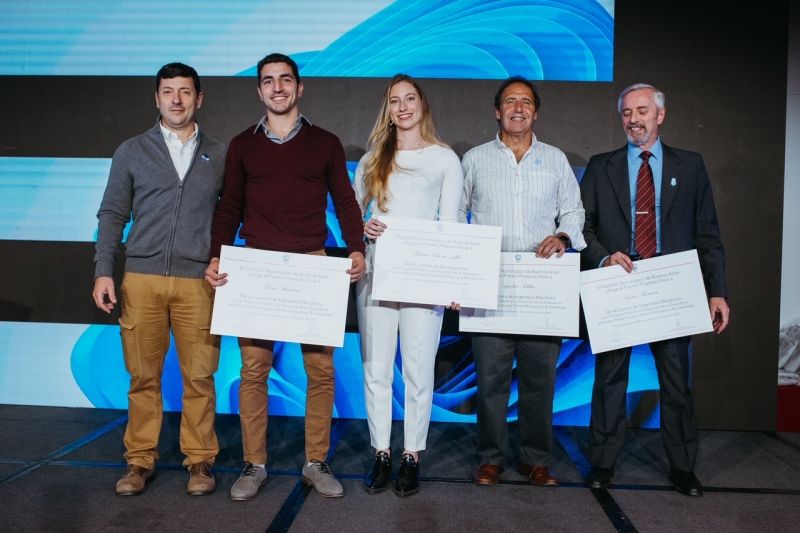
Through one of those contacts she reached Lucas Parra, director of ParraLab. In this program, you apply to the university and not directly to a lab. The department then evaluates the fit between candidates and the different research groups.
origin
Buenos Aires
destination
New York
institution
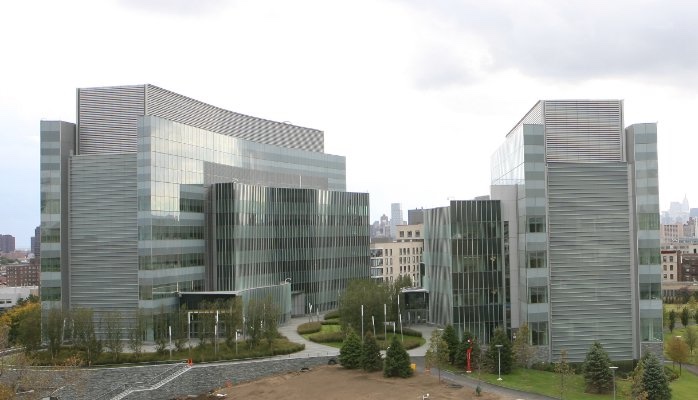
The City College of New York
After a first conversation about the lab's lines of research, she completed the pending requirements of her application, among them the GRE and the personal statement. Later she did an interview and was admitted. If she had to repeat the process, she says she'd start further in advance and apply to a larger number of universities.
Her research on learning and educational videos
ParraLab, directed by Lucas Parra, studies different aspects of human and machine learning. The lab works on three broad lines: learning through videos, motor learning applied to rehabilitation, and machine learning.
Melanie's project focuses on the use of educational videos as a complement to classes and is funded by the National Science Foundation. The research starts from an increasingly relevant question: what happens when students use online videos as one of their main tools for learning.
Her work advanced in three stages.
1. The first studied whether explanation videos are effective as learning material. 2. The second analyzes what happens when students turn to YouTube videos as a complement to a class. 3. The third studies whether the process of personally choosing the video has any effect on learning, comparing that experience with receiving material selected directly by a professor.
In parallel, the team analyzes attention levels during the videos: at which moments it rises or falls, and whether that attention can be related to students' performance or motivation.
To do this they use eye and face tracking through a webcam, signal processing, multimodal analysis, and programming in Python, MATLAB, and R.
From research to an academic publication
In January 2025 Melanie published as first author in the journal Education and Information Technologies the article Effect of explanation videos on learning: The role of attention and academic performance, together with Jens Madsen, James Hedberg, Richard Steinberg, and Lucas Parra.
The study included 139 physics students in an experiment carried out inside the classroom and another 215 participants in an online replication. One of the methodological challenges of this kind of research is that student participation can't be mandatory. As a result, those who complete the experiments may have different characteristics from those who decide not to take part, something that has to be considered when interpreting the results.
Teaching during the doctorate
Besides developing her research, since August 2023 Melanie has worked as a Teaching Assistant at CCNY. She took part in courses such as Dynamical Models & Systems and Intro to Python and also serves as an Adjunct Lecturer within the Biomedical Engineering department.
Teaching is a common part of many doctorates in the United States and can be part of both a student's academic training and their funding arrangement.
What comes next
Melanie expects to graduate in 2026 and is exploring opportunities related to applied research, computer vision, behavior analysis, and digital product development.
Although her thesis centers on learning and educational technology, the tools she uses also have applications in areas such as human-computer interaction, digital health, product research, and research and development.
She has also helped organize Masters Argentina, a conference that brings together Argentine students, professionals, and speakers in New York to talk about education, careers, and topics connected to Argentina.
Her path shows a move from bioengineering toward academic research, combining experience in industry, technology, and health before starting a doctorate in the United States.