
Stage V · Certify
From automotive engineering to a master's in Data Analytics in Washington: Patrick Ferreira's experience at University of the Potomac
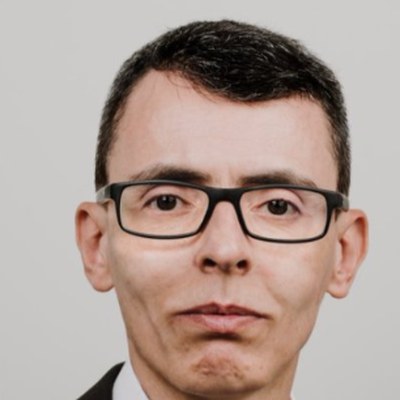
Patrick Ferreira · 17 September 2026
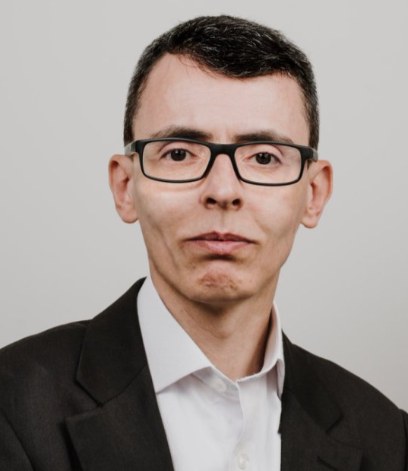
Patrick Ferreira studied Production Engineering in Brazil while building a twelve-year career at Volkswagen Caminhões e Ônibus, where he worked across quality, prototype development and budget planning. When he decided to move his career toward project management, he began looking at graduate programs in the United States. In October 2025, he arrived in Washington and started with University of the Potomac's English language program. In November 2026, he begins the Master of Science in Data Analytics.
Patrick Ferreira arrived in the United States with twelve years of experience in the automotive industry behind him. He was not trying to start his career over. He wanted to build on what he had already done in engineering and move toward a different kind of role, one that combined his technical background with management. Before beginning the graduate program that brought him to Washington, though, there was one step he needed to take first: English.
Twelve years at Volkswagen
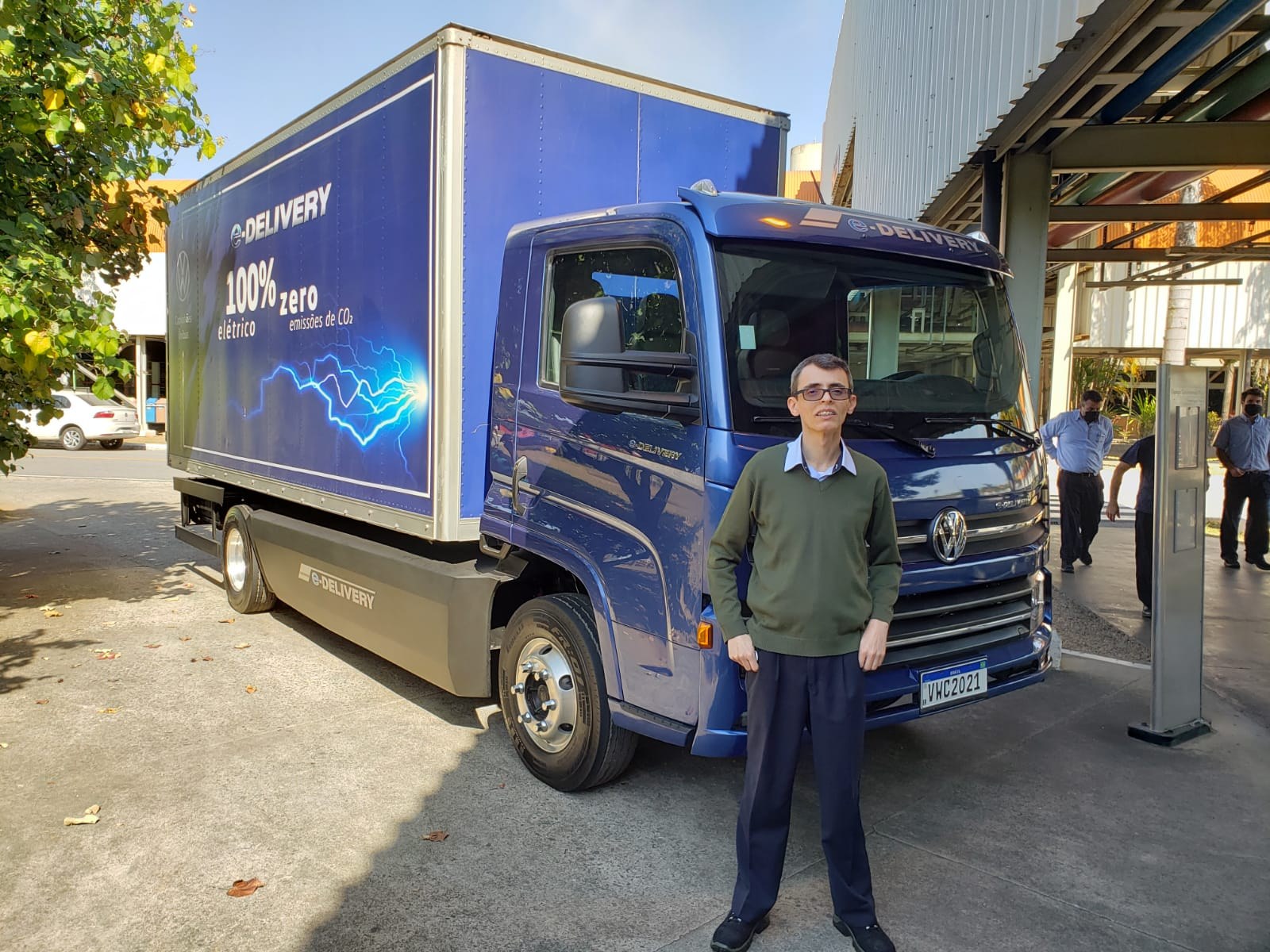
Patrick is from the countryside of São Paulo state and began working at Volkswagen Caminhões e Ônibus in 2011 as a quality technician in metrology, inspecting truck parts and cabins with three-dimensional measurement equipment. At the same time, he studied Production Engineering at Estácio, completing his degree while continuing to work.
After spending two years as an industrial instructor at SENAI, Brazil's network of technical training schools, Patrick returned to Volkswagen in 2019 as a product engineer. Over the following years, he worked on prototype engineering and the development of new vehicles before moving closer to budget planning and control. “In Brazil, I worked for twelve years at a large company in the automotive industry, Volkswagen Trucks and Buses. For the last six years, I worked as an engineer, developing prototypes and new vehicles, and later in budget planning and budget control.”
That combination of engineering and planning gradually changed the kinds of positions Patrick could imagine for himself. Rather than moving away from his technical experience, he wanted to add the analytical and management skills that would allow him to take on broader responsibility.
“That's why I decided to study Data Analytics. It aligns with my engineering background, and it lets me apply for project manager positions that match my professional experience.”
He had already had one experience studying abroad, through an English exchange in the United Kingdom in 2022. By the time he began considering graduate school, an international career was no longer an abstract idea. The question was how to build the next step.
Choosing the United States and Potomac
Patrick began researching universities in the United States with a clear professional goal: use graduate school to create a bridge between the career he had already built and the type of work he wanted to do next. “I understood that as a student I could build the foundation for my career here. My intention was always to have an international career. I changed my strategy: build my career as a student, start step by step and grow until I reach my goals.”
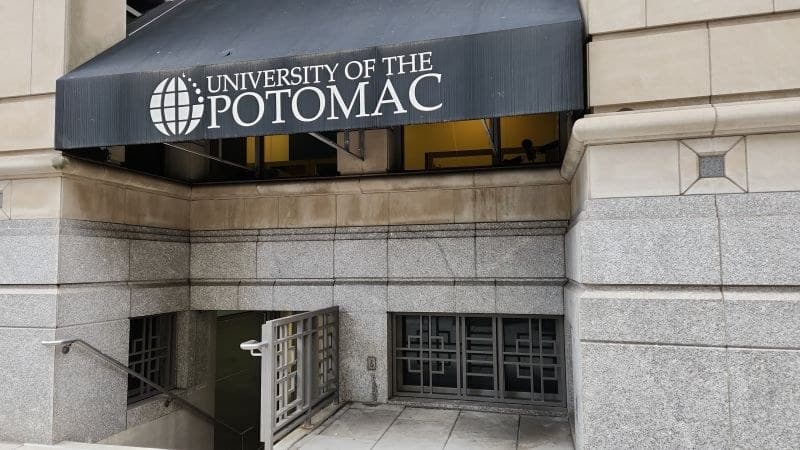
He considered universities in different parts of the country, including options in Kentucky and Orlando, before choosing University of the Potomac in the Washington area. Cost mattered, but so did the location and the professional environment around the city. “I applied to universities in Kentucky, Orlando and Potomac. I preferred Potomac because the cost for international students was more affordable and because the job market here is very strong, with technology companies and opportunities across different professional areas.”
For Patrick, those factors fit together. The university offered the graduate training he was looking for, while Washington gave him the chance to study in a region with a broad professional market and build his next stage in the same place.
English first, then the master's
When Patrick arrived in Washington, he was not yet ready to begin a graduate program in English. Instead of postponing the entire plan until he reached the required level from Brazil, he started with University of the Potomac's English language program. “I started at Potomac in October 2025 with the ESL course. I'm now in level six, and in November I'll start my master's degree.”
That route added an extra year before the master's, but it also gave Patrick time to improve his English while already living in Washington and getting used to studying in the United States. By the time he begins the graduate program, he will have spent a year using the language every day and becoming familiar with the university and the city where he plans to continue building his career.
The experience has also been social, not only academic. “I enjoy it. I make friends, I meet new people. It's very good.” For Patrick, English did not need to be something he completely solved before leaving Brazil. It became the first stage of the same academic plan.
origin
São Paulo
destination
Washington, D.C.
institution
University of the Potomac
Having someone guide the admission process
When Patrick talks about applying to Potomac, one of the first things he remembers is the person in admissions who helped him understand what he needed to do. “I was helped by Ravena, and the process was very good. She taught me everything I needed to know about the process. She was very helpful and very friendly.”
That support mattered because the university application was only one part of a larger transition. Patrick was preparing to leave Brazil, organize his studies in the United States and understand a new academic system at the same time. Having someone who could explain the steps made the process much easier to navigate.
For an international student, admission also involves preparing academic and financial documentation and obtaining the I-20 needed for the student visa process. In Patrick's case, that preparation eventually led to his move to Washington and the beginning of the English program in October 2025.
Building a life in Washington
Moving countries after twelve years in the same industry also meant getting used to the practical side of starting a life somewhere new. Things that had long been routine in Brazil, from banking to understanding how credit works, became new systems to learn. Patrick has written publicly about that adjustment and, after going through it himself, has also started helping other international students understand some of the same challenges.
But when he talks about Washington, the first thing he mentions is not paperwork. It is the city itself. “I like D.C. because it's a very historical city. When I walk around and see the buildings, I think: there is history in this place. It's the capital of the country, and I think about the meaning of the civic symbols, like the National Mall.”
That connection feels especially familiar to him because of the relationship he sees between Washington and Brasília. “When Brasília was built, its Plano Piloto was inspired by the construction of Washington. I like that part of the history. It makes me excited.”
The next step
In November 2026, Patrick begins the Master of Science in Data Analytics he came to the United States to pursue. The goal is still the one that shaped his decision in Brazil: combine more than a decade of engineering, prototype development and budget experience with graduate training that can move him toward project management.
The route has taken longer than simply arriving and starting graduate school. It has included a year focused on English, adapting to a new country and building a foundation in Washington before the master's even begins. But Patrick sees those steps as part of the same plan rather than a detour from it.
When asked to describe University of the Potomac, he chose two ideas: “Vibrant. Very engaged with the students.”
Did this story help?
Join the community