
Stage III · Fund
From sociology at UBA to public policy at Harvard: Daniela Schneider's experience funding her master's with four scholarships
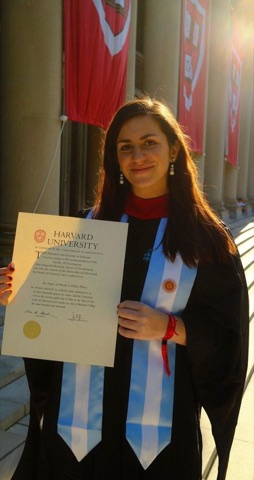
Daniela Schneider · 10 September 2026
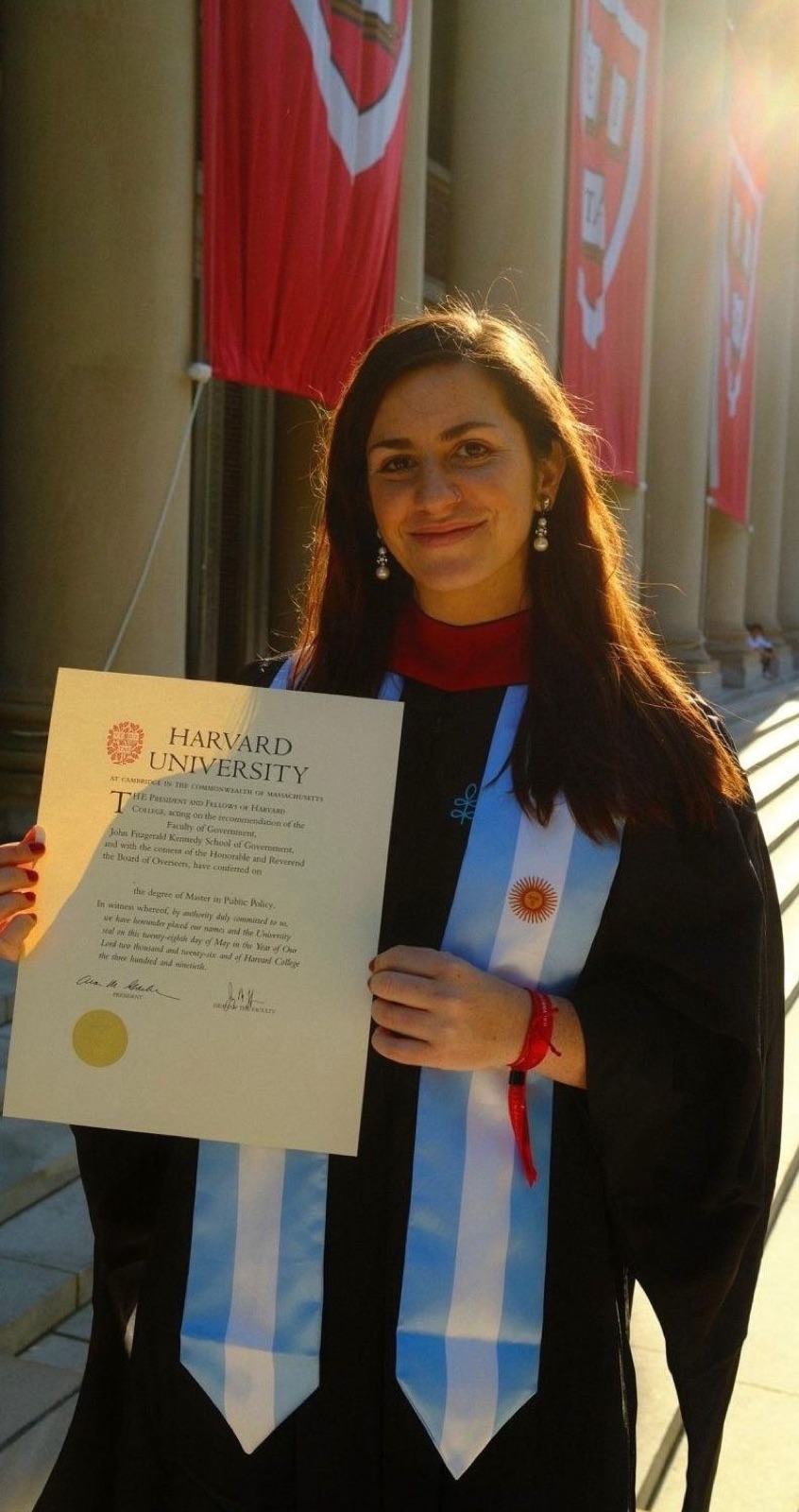
She graduated in sociology from UBA and built much of her professional experience around public policy analysis, first at the Ministerio de las Mujeres, Géneros y Diversidad and later at Fundar. In 2024 she moved to Cambridge for the Master in Public Policy at Harvard Kennedy School, which she has already completed. To pay for her studies she combined four scholarships won through separate processes.
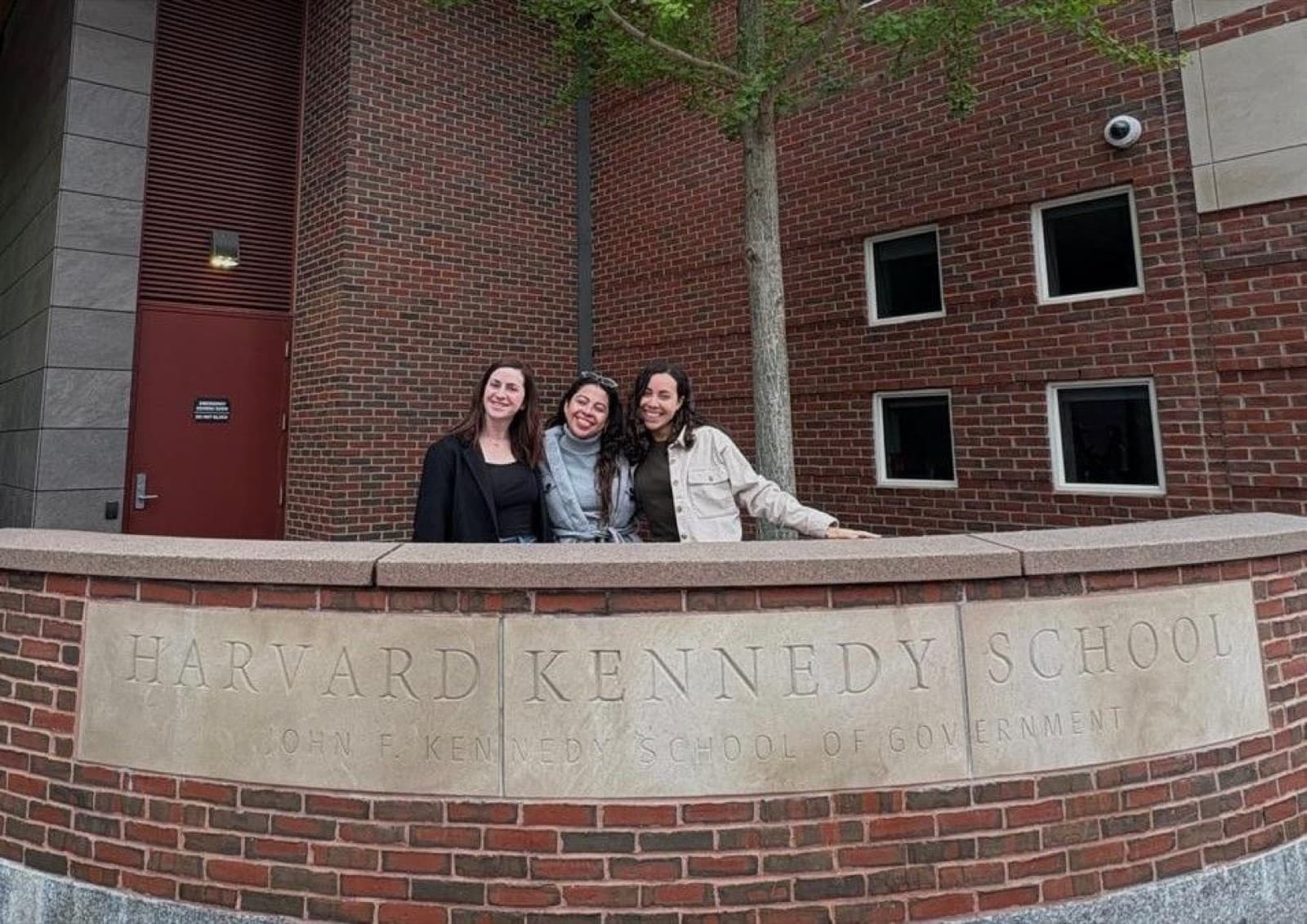
Daniela Schneider is a sociologist from the Universidad de Buenos Aires and a graduate of the Master in Public Policy at Harvard Kennedy School, where she concentrated in economic development. Before moving to Cambridge she had worked both in government and in applied public policy research, a background that shaped her choice of program directly.
From sociology to government
"I studied sociology at the Universidad de Buenos Aires. Then I started working in government, at the national level, in the Ministry of Gender."
At the Ministerio de las Mujeres, Géneros y Diversidad she worked inside the Secretaría de Políticas de Igualdad y Diversidad, mainly on the analysis, monitoring and evaluation of public policy. At the same time she kept studying in the field, with a program on public policy from a gender perspective at Universidad Torcuato Di Tella and a diploma in government and public innovation from CAF.
Monitoring and evaluation work involves, among other things, defining indicators, tracking how programs are implemented and analyzing their results to understand what is working, what is not and where adjustments are needed. It was out of that experience, and the daily contact with the design and implementation of public policy, that she started to consider a more specific graduate degree.
"That's where I realized what an enormous tool public policy is, and so I wanted to go deeper."
From government to Fundar
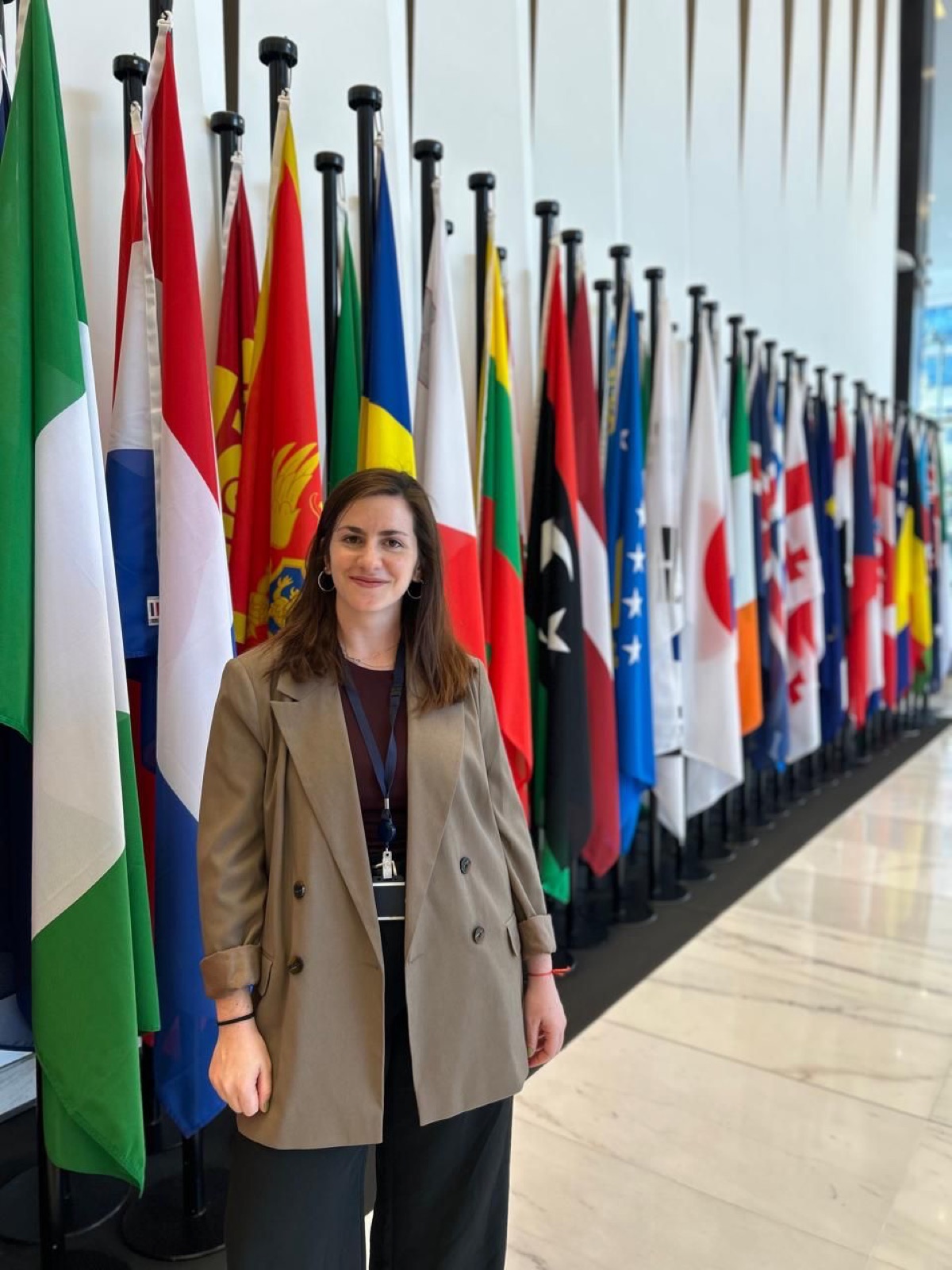
After her time at the ministry she joined Fundar as an analyst, where she continued working on projects tied to public policy and development. One of them was the Hoja de Ruta Nacional para la Promoción de la Equidad de Género en el Sector Minero, published in May 2024 and commissioned by the Secretaría de Minería de la Nación with funding from the MinSus program, administered by the German agency GIZ. Daniela was one of the document's seven authors.
The roadmap starts from a female share of close to 13 percent of direct employment in Argentine mining and organizes its proposals into four areas: recruitment, retention, organizational culture and communities. The analysis covers questions such as the distribution of care work, occupational segregation and different working conditions and infrastructure, and it proposes indicators to track progress on each of those dimensions.
Daniela was working on this kind of project when she began preparing her applications to graduate programs abroad. She left Fundar in August 2024, shortly before starting the master's.
Why a master's in public policy
"I knew I wanted to do a master's in public policy because I knew I wanted to go back to Argentina to implement what I studied. And Fulbright gave me the chance to apply to any university."
The decision to study abroad did not necessarily begin with Harvard. She first settled on public policy as her field and on a program she could connect later to her work in Argentina. From there she put her applications together and ended up at the Master in Public Policy at Harvard Kennedy School, where she concentrated in economic development.
Funding was an important part of that process. In her case, the cost of the master's was not covered by a single source but by a combination of scholarships she applied for at different points.
Four scholarships to pay for the master's
"I have four scholarships in total: the P.E.O., the Fortabat, which is a scholarship Harvard University gives specifically to Argentines, the AAUW and Fulbright."
Before listing them, Daniela sums up the process in fairly concrete terms: "Applying for scholarships is something you have to do constantly and with perseverance, always".
All four have their own requirements, deadlines and selection processes, so securing the funding meant keeping several applications going at the same time.
The P.E.O. International Peace Scholarship is for international women pursuing graduate study in the United States or Canada. It offers up to $12,500 and works as partial funding, so applicants have to show they have other sources to cover the rest of the cost of their studies.
The Fortabat scholarship, administered by Harvard's David Rockefeller Center for Latin American Studies with funds from the legacy of Amalia Lacroze de Fortabat, is aimed at Argentines connected to the university and can support students admitted to graduate programs as well as visiting researchers.
The AAUW International Fellowships, from the American Association of University Women, fund the studies of women who are neither citizens nor permanent residents of the United States. For master's students, the support can reach $20,000.
origin
Buenos Aires
destination
Cambridge
institution
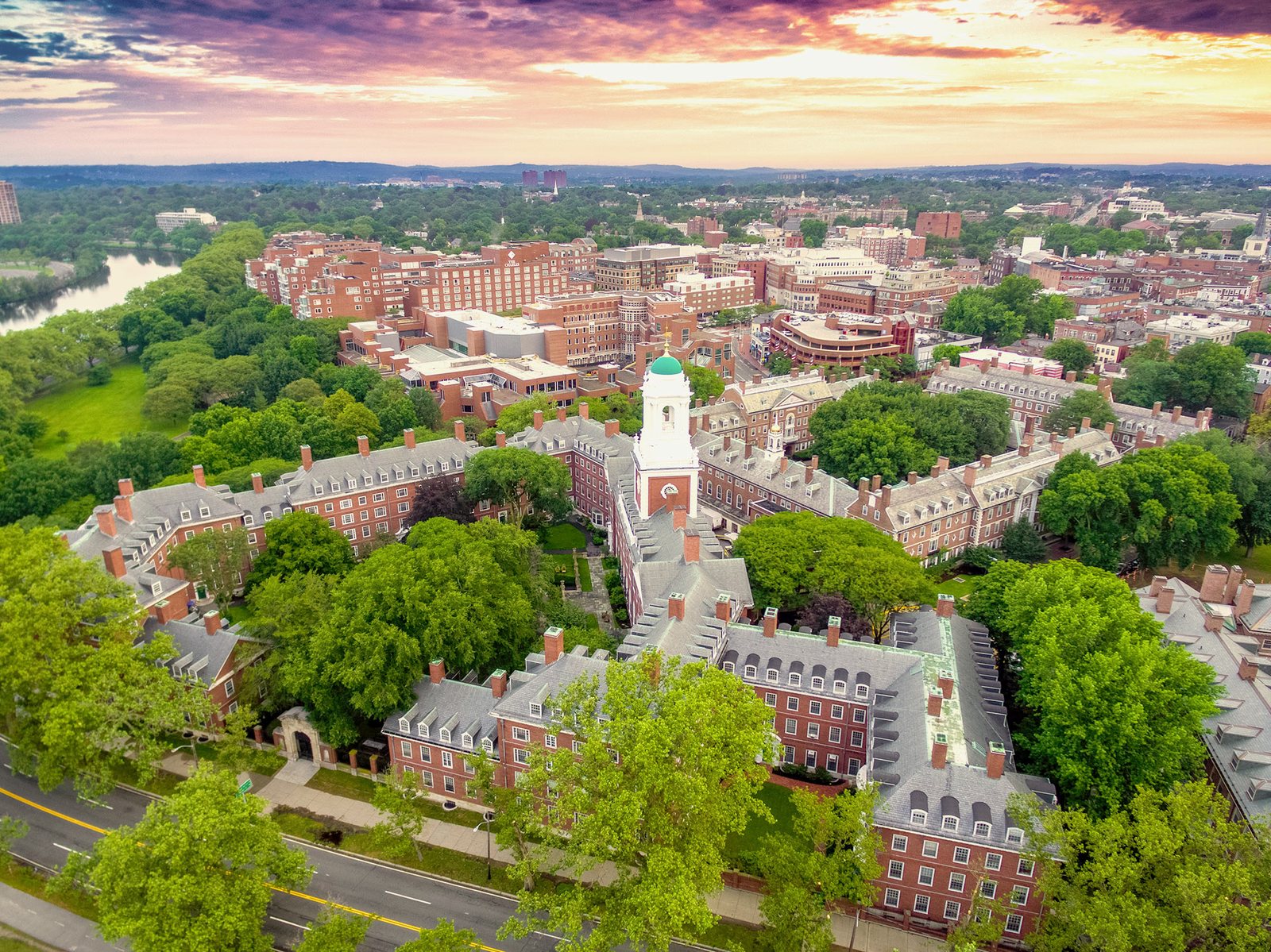
Harvard Kennedy School
The fourth source was Fulbright, which came early in the process and widened the set of universities Daniela could consider when she applied.
The result was a funding package assembled from different pieces, rather than a single scholarship covering the whole master's. In practice, that meant months of work with different forms, essays, requirements and calendars, something common for people who fund graduate study in the United States through outside scholarships.
The experience at Harvard
During the master's, Daniela took part in Argentine and Latin American associations within Harvard and helped organize conferences, symposia and events with guests. For her, those spaces were also a way to keep a conversation about Argentina going in a setting where students from across the region worked side by side.
"What I like most is being able to build community, so I take part in different associations at the university. I'm the president of the Harvard Argentine Student Society and I'm also on the board of the Latin America Policy Association. Within that we put together conferences, we invite speakers, we hold symposia. What it also creates is the chance to think about Argentina from abroad, but in a regional context."
The academic experience also included teaching and research. "My day to day is based on taking classes, listening to incredible speakers who come from different parts of the world and from the U.S. to talk about their experience, and also working. I teach sociology at Harvard College and I'm also a research assistant."
One of the things Daniela found distinctive about Kennedy School was the number of professors and students with previous experience in governments, international organizations, academia and the private sector, something that contrasted with her earlier university experience.
"You have people who worked in different U.S. administrations, who spent their lives in the White House, and then they teach you what the political perspective looks like from inside."
The same was true among the students, many of whom arrived at the master's after several years of professional work. Daniela summed it up with a scene that was fairly ordinary in that setting: "You show up to class with a mate and you've got the minister of Indonesia waiting for you to brief him".
Applying from Argentina
When we asked what she would recommend to someone considering a similar experience, Daniela talks less about Harvard in particular and more about the process of defining what you want to study, looking for funding and talking to people who have already been through an application.
"The most important thing is to have a clear motivation and to be persistent. You're going to run into a lot of noes along the way, but that yes that opens the door will come."
She also insists on something more practical: contacting other students and graduates to understand how applications work, what scholarships exist and which decisions are worth making early.
"Talk. Talk to a lot of people. Contact strangers on LinkedIn. We're all very interested in being able to help Argentines who want to come here."
Daniela and I met through exactly that kind of network. We both went through Fulbright and P.E.O., and we also helped organize Masters Argentina, an event that brings together Argentines who study and work outside the country.
"Just as many people helped me, I'd also like to be able to support and help anyone who wants to apply to Fulbright and come study here."